
Address
3814 Harrison Avenue, Cheviot, Ohio 45211

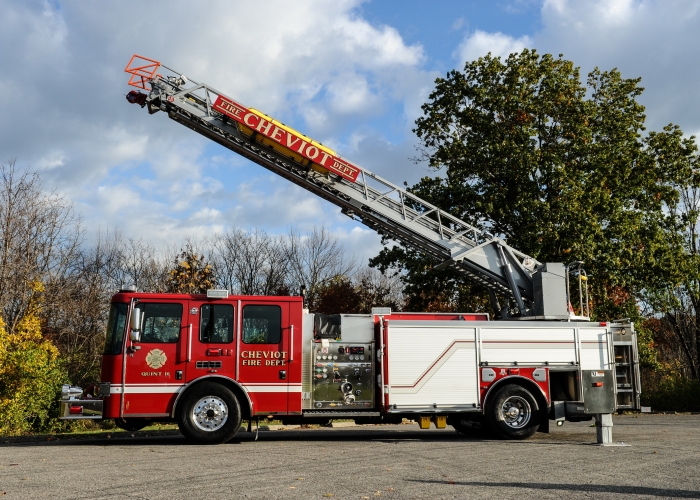
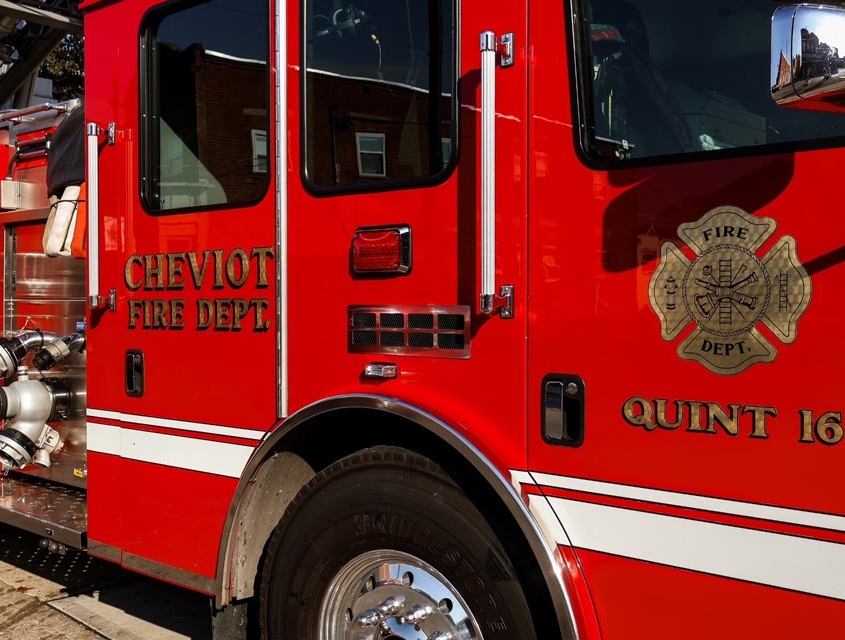
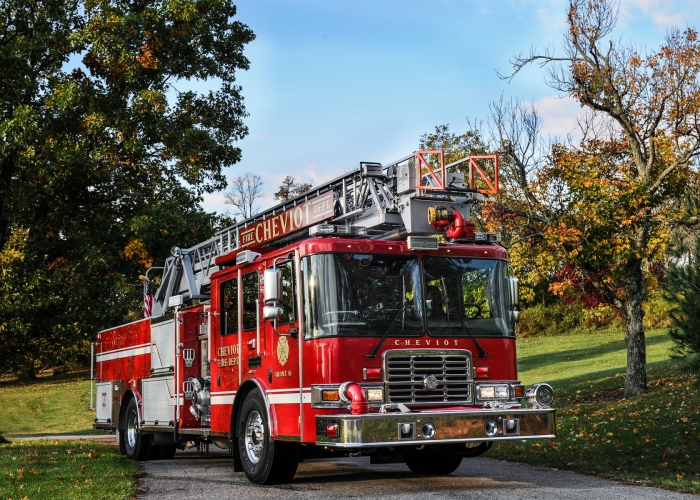
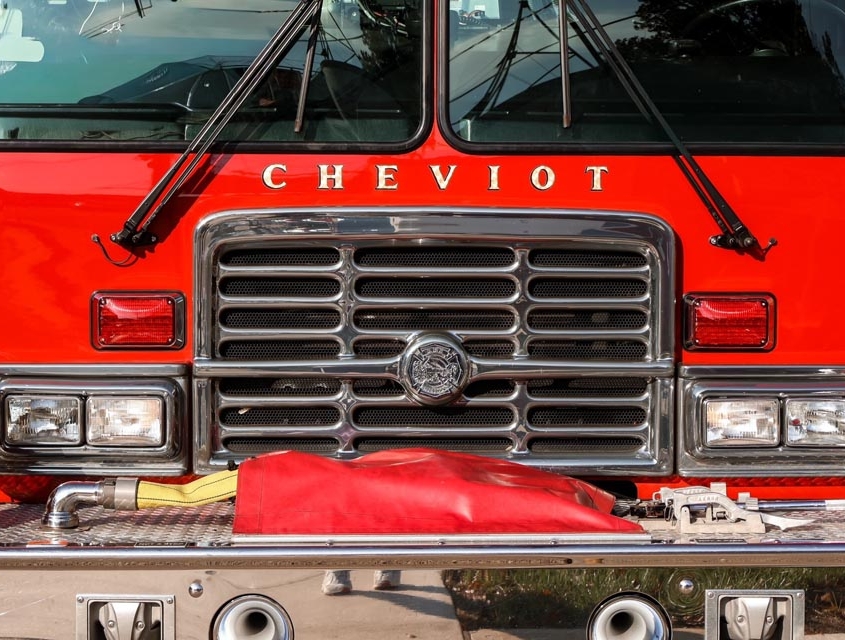
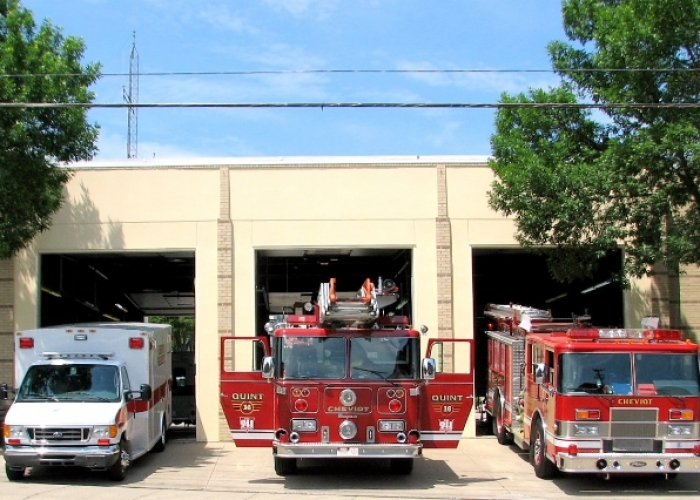
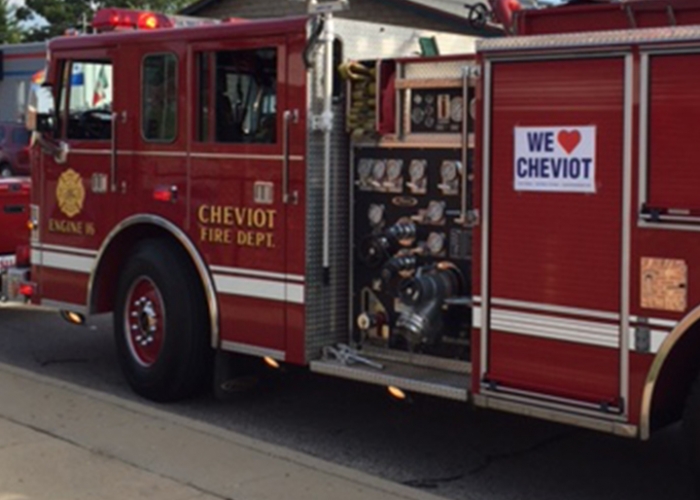
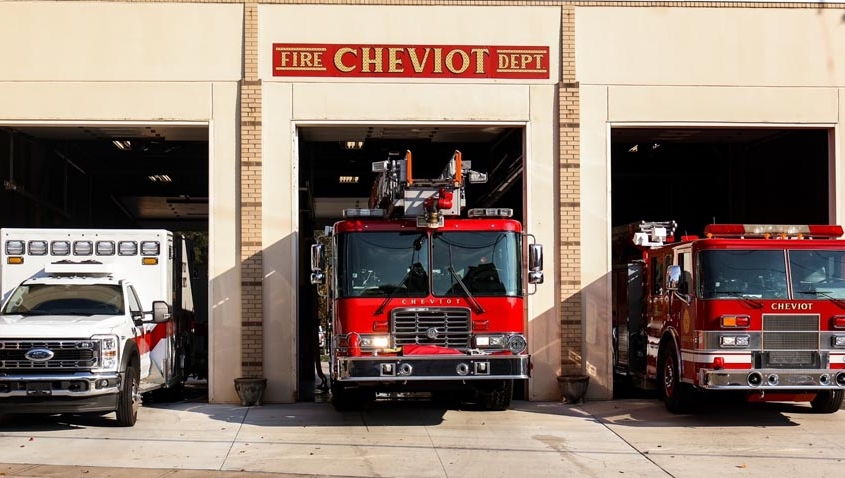
The City of Cheviot’s Fire Department prides itself in having over a century of dedicated service for its citizens. The department’s mission is to safeguard the community by minimizing life loss, suffering, and damage from fires and other emergencies. This is achieved through comprehensive public education initiatives, diligent code management, and swift incident response. The Cheviot Fire & EMS provides essential fire protection and Emergency Medical Services, operating 24 hours a day with a dedicated team of full-time and part-time professionals dedicated to safety.
Please feel free to contact us at:
513-661-2958
Cheviot Fire Department
3814 Harrison Ave.
Cheviot, OH 45211
The Cheviot Fire Department provides CPR training for interested people. Please call 513-661-2958 for information on CPR Classes.
The Cheviot Department of Fire & EMS offers free car seat checks. We ask that people desiring a car seat inspection arrange for an appointment with one of our inspectors. For more information, or to schedule a car seat inspection, call (513) 661-2958
Under these rules, bonfires, campfires and outdoor fireplace equipment if used for cooking, warmth, pleasure, recreation, religious or ceremonial, or similar purposes are allowed (without notifying the Ohio EPA or the city of Cheviot) if the following conditions are met:
Fires must be contained in a non-combustible container including a store purchased fire pit or contained inside a ring of bricks or stones, non-combustible in nature.
Fires must be a minimum of 25ft from any structure or combustible source (examples include but are not limited to wooden fences, detached garages, sheds and residential structures).
Fires must be clear of all overhead obstructions including trees, canopies, powerlines, etc.
A garden hose must be nearby, easily accessible, and turned on while burning.
No fire is to be left unattended.
A responsible adult must always be present while burning and must remain present until the fire is fully extinguished.
Smoke and smoldering must be kept to a minimum, so it does not become a nuisance to neighbors. If a neighbor or anyone complains, this will be considered a nuisance, and the fire department will order the fire to be put out.
Frequently Asked Questions
Consumer Information on Ohio’s Fireworks Laws
Ohioans can legally discharge 1.4G consumer fireworks in Ohio on certain days UNLESS their local municipality (villages, cities, townships, or counties) has chosen to ban their use.
What dates and times can consumers legally discharge 1.4G fireworks?
Unless limited by local laws, Ohioans can discharge consumer fireworks on the following dates and times:
Where can fireworks be discharged?
Consumers can discharge fireworks on their own property or on another person’s property if the owner of that property has given express permission for fireworks to be discharged. There must be at least a 150 foot separation distance from the point of discharge of each firework aerial shell to spectators and to the nearest point of any structure or building.
CAUTION: Local political subdivisions may ban fireworks or restrict the dates and times that fireworks can be used. They can also restrict the dates and/or times that fireworks can be used by consumers within their boundaries. If a political subdivision takes such action, the local law controls in that area. So, consumers should check their local laws to make sure consumer discharge of fireworks is legal in their area.
What rules apply to the use of 1.4G fireworks by consumers?
Relevant Ohio Fire Code provisions outline how 1.4G consumer fireworks must be used and stored by consumers. A detailed listing of these can be found in the Ohio Revised Code (R.C.) §3743.45 (as effective July 1, 2022) and Ohio Fire Code (OFC) §5626 (effective July 3, 2022).
Some provisions in the rules include:
Note: These separation distances – for both aerial and non-aerial devices – are increased for certain types of locations such as hospitals, schools, healthcare and residential facilities, apartment and multi-tenant buildings, military installations, and railroads.
In addition, relevant R.C. provisions state that no person can negligently use fireworks while in possession or control of, or under the influence of, any intoxicating liquor, beer, or controlled substance. A person who violates this is guilty of a first-degree misdemeanor.
What are some safety tips for the discharge of fireworks?
Fireworks are extremely dangerous – so, please be safe and follow basic safety protocols. Each year, thousands of people are injured in fireworks-related incidents and sadly, many die as a result. In addition, fireworks start an average of 18,500 fires each year resulting in extensive damage to structures, vehicles, and property. The Consumer Product Safety Commission offers the following guidelines for safety:
Where can Ohioans buy fireworks?
Only fireworks purchased in Ohio may be discharged in Ohio. Consumers may purchase fireworks from any of the licensed sales locations throughout the state. When purchasing fireworks, the retailer must provide consumers with safety glasses (for free or at a nominal charge) and with a safety pamphlet.
3814 Harrison Avenue, Cheviot, Ohio 45211